

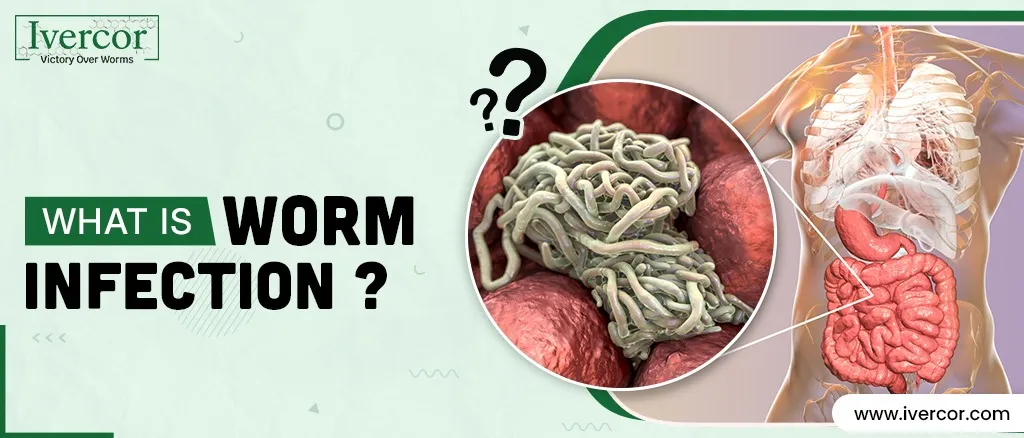
What is a Worm Infection?
A worm infection is a health problem which happens due to parasitic worms when they enter and live inside the body. These infectious worms stay in the intestines, and some types of worms can be transmitted to other organs, such as the lungs and liver. These kinds of infections are common in those areas where hygiene and sanitation are very poor.
Children are especially at risk of this infection because they play a lot in soil and sometimes forget to clean their hands before consuming food. An infected person can experience symptoms such as diarrhea, discomfort, weakness, and digestive problems, but it can be treated with effective medicines.
Common Types of Worm Infections in Humans
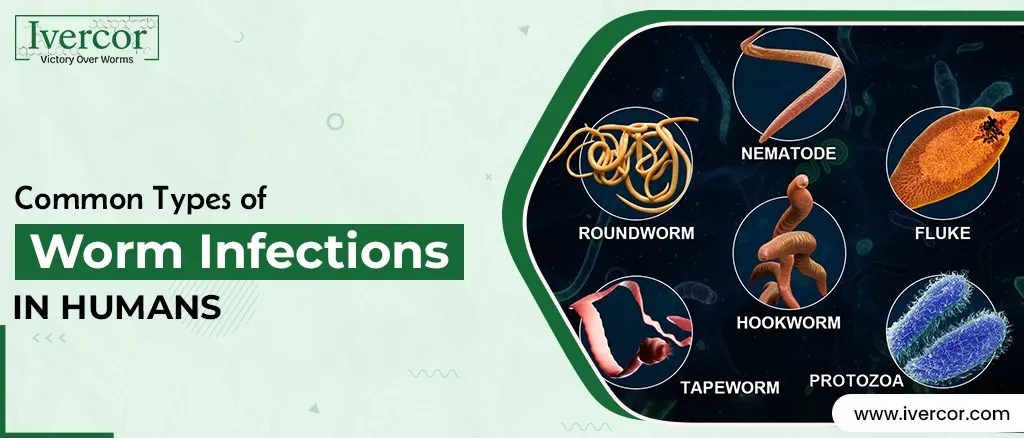
There are different kinds of Parasitic worm infections which can cause moderate to serious symptoms. These are-
- Roundworm- This infection occurs by spreading through contaminated food or water and can cause symptoms such as stomach pain and cough. Ascaris lumbricoides causes this infection in humans.
- Pinworm Infection- This worm infection can be commonly seen in children and spreads easily through poor hygiene. Pinworm parasites cause itching around the anus,.
- Hookworm Infection- This kind of infection happens when hookworms enter the body through the skin. This mostly happens while walking barefoot on contaminated soil. Because of this parasite, you may experience issues like anemia and stomach pain.
- Tapeworm Infection- Tapeworms cause weight loss and weakness. This type of worm infection occurs when someone eats undercooked meat or contaminated food. Tapeworms can live in the intestines and cause serious symptoms.
- Whipworm Infection- This is a kind of Intestinal worm infection that spreads through contaminated soil or food. People suffering from whipworm infection may get diarrhea, stomach cramps, and rectal problems.
- Threadworm- This is also known as Strongyloidiasis and causes rashes, abdominal pain, and cough. These worms enter through the skin and can affect the intestines and lungs.
Causes and Risk Factors of Worm Infection
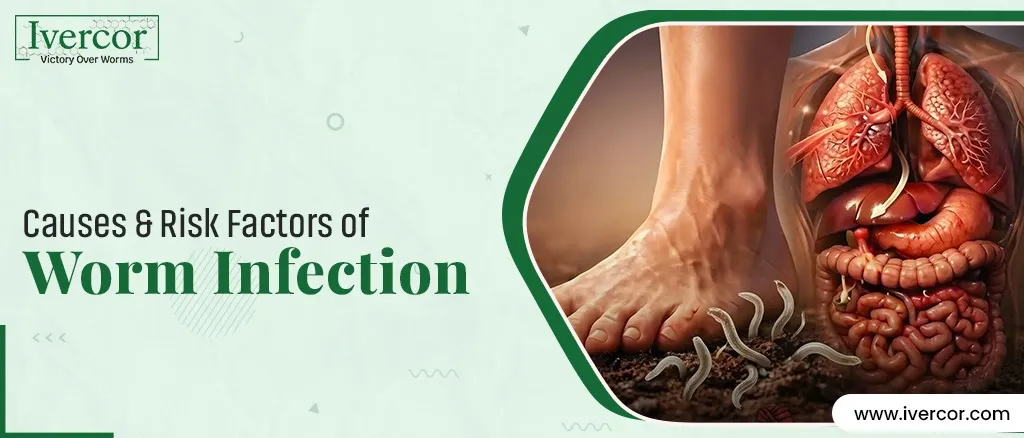
It is important to understand the causes and risk factors of infections so that proper worm infection treatment can be given at the right time. Knowing how these infections spread can also help in early diagnosis. So, here are the causes of worm infection:
- When people eat fruits and vegetables without washing and cleaning them properly
- Drinking contaminated water can also cause worm infection.
- Worm infection can also happen due to poor hand hygiene
- Walking barefoot in infected soil
- Living in crowded or unsanitary conditions
- Eating raw or undercooked meat can also contribute to the spread of worm infections.
Common Symptoms of Worm Infection
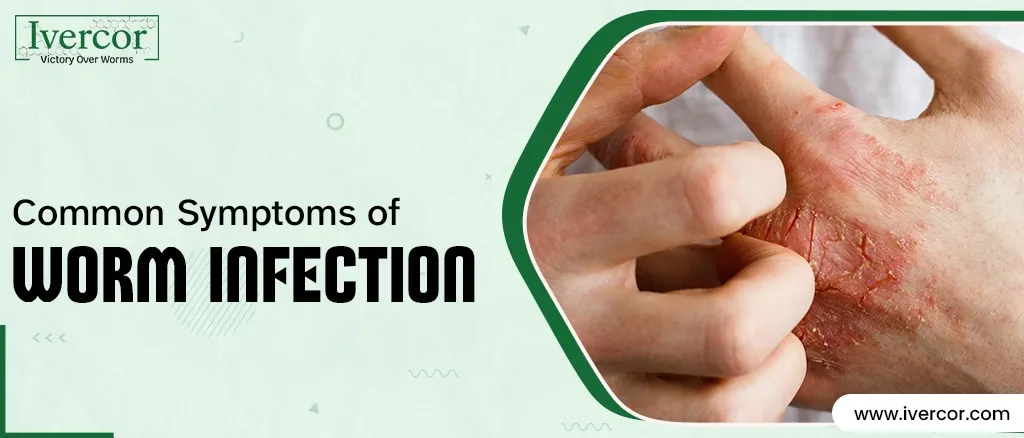
These are some common Worm infection symptoms that may happen to the infected person-
- Stomach pain
- Diarrhea
- vomiting
- Worms are visible in the stool
- Loss of appetite
- Weight loss
- constipation
- Nausea
- Weakness
- Itching around the anus
If someone notices these signs, it is important to visit a doctor for proper diagnosis and treatment of the worm infection.
How Worm Infections Are Diagnosed
For the diagnosis of worm infection, doctors perform several tests and methods to confirm it. Proper and accurate diagnosis can be done through these tests-
- Blood test- Doctors also prescribe a blood test, as some worm infections cause increased white blood cells.
- Stool test – In this, a sample is examined under a microscope for worm eggs or their larvae.
- Tape test- This kind of test is done for pinworm diagnosis by collecting eggs from the anal area.
Medical Treatment Options for Worm Infections

Medications (Parasitic Worm Infection)
The availability of potent, effective anti-worming medicines improves treatment success and patient outcomes. The doctor will prescribe the medicine based on the type of worms, the severity of the infection, and other conditions. Most deworming medicines are advised for 1 to 3 days, but some infections may require longer treatment. Some common worm infection medicines are-
Home remedies and supportive care
Home remedies cannot fully treat the infection, but can be used as supportive care. You must drink plenty of water and follow a fibre-rich diet to help you recover more comfortably.
How Can Worm Infections Be Prevented?
- Keeping hands clean with soap before eating and after using the toilet is important for preventing Intestinal worm infection.
- You must keep the nails trimmed regularly.
- Always drink clean, filtered water, as worm infection can be caused through contaminated water.
- Deworm children regularly if advised by a doctor
- Also, you must avoid walking barefoot in dirty areas.
Complications of Untreated Worm Infection
If the affected person is not getting proper treatment, then it may cause other health complications such as
- Severe anaemia
- Delay in growth in children
- Intestinal blockage
- Malnutrition
Conclusion
Worm infection has become a common health problem among children and those living in areas with poor sanitation. The condition can cause serious symptoms such as stomach pain and weakness. Fortunately, with proper diagnosis and effective worm infection medicine, this infection can be treated. In addition to treatment and medications, you must also maintain proper hygiene to prevent worm infection.
FAQs
What is the most common type of worm infection?
Pinworm infection is a common type of worm infection that happens mostly in children.
Is it safe to take Ivermectin for worms?
Yes, Ivermectin is commonly prescribed for certain parasitic worm infections. But it should be taken only under medical supervision.
Can worm infections go away on their own?
Some mild infections may improve, but most require proper worm infection treatment to remove the worms completely.
How to get rid of worms in humans?
You must consult the doctors as they usually prescribe anti-parasitic medicines such as Ivermectin or Mebendazole. Along with this, good hygiene and consuming properly washed and cooked food helps prevent reinfection.
Can worm infections come back after treatment?
Reinfection is possible, and it especially happens when hygiene practices are not followed. So, washing hands and maintaining cleanliness will reduce the risk.
Comments (0)
Leave A Comment